From the “Fire Queen” to Modern Protection: A Chronicle of the Attleboro Fire Department
Long before engines roared through Union Street, Attleboro’s firefighting efforts centered on a remarkable—and labor-intensive—contraption known as the Fire Queen. Built around 1850, this hand-pumped engine required a team of 24 men to operate. It served the city until about 1885, when water mains finally reached the town’s densely populated areas. After many years wandering beyond Attleboro, the Fire Queen was restored and now resides at the Attleboro Area Industrial Museum—part of a legacy rarely forgotten.
From Volunteers to a Formal Force
The spark for a formal fire department was lit by a tragic blaze in 1859 that consumed the Attleboro Steam and Electric Company. That same year, the community established a volunteer fire department, signaling the end of the days when a bucket brigade was the only line of defense. By 1872, the department had become officially municipal, and volunteers gradually phased out.
The Great Fire of 1898: A Trial by Flame
On a dry, windy night in May 1898, disaster struck. Founded in the basement of the Bates & Bacon Watch Case Factory, flames quickly engulfed the wooden structures lining Union and Park Streets. The blaze decimated 3–4 acres of the town’s industrial core, left 1,500 residents jobless, and caused an immediate toll of $750,000 in damage—a staggering sum for a town of just 7,500 inhabitants. Miraculously, no one perished (though one fatal heart attack was reported).
Rebirth Through Resilience
In the aftermath, Attleboro didn’t collapse—it sprang back. Most firms rebuilt within a year; only a few left the city for good. The jewelry industry, in particular, rebounded and eventually earned Attleboro the title “Jewelry Capital of the World.”
Evolution of Firefighting Technology and Culture
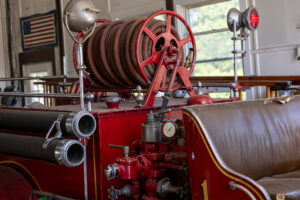
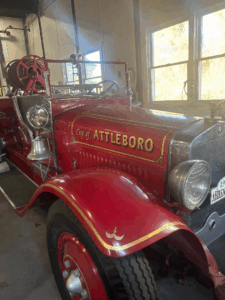
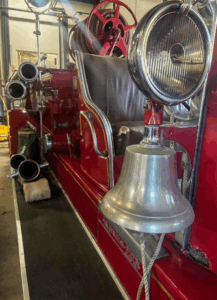
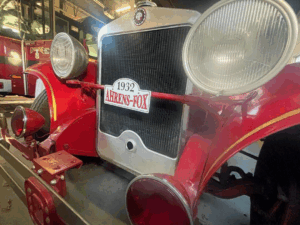
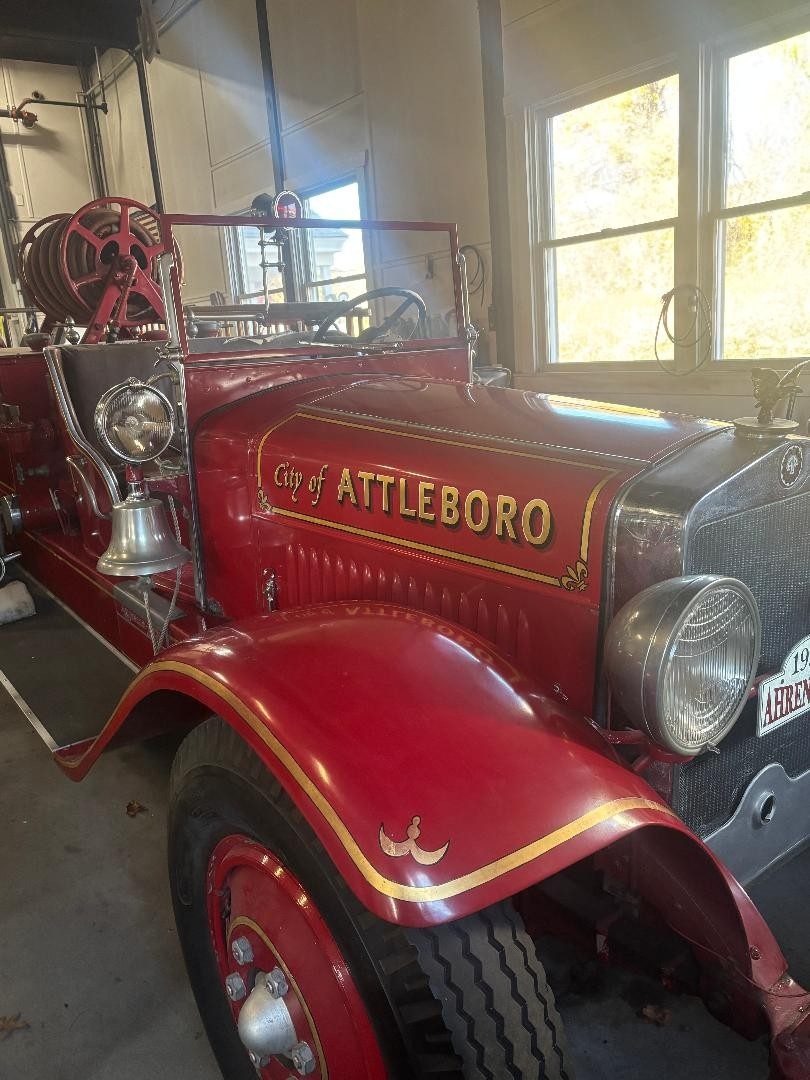
By the early 20th century, horse-drawn pumpers like the Fire Queen were phased out in favor of motorized apparatus. Communication advanced, too—from manual “tapper” alarm systems relayed by call-box codes to modern-day dispatch technologies. Firefighting gear evolved from simple rubber coats and aluminum helmets to the high-tech protective ensembles used today.
Milestones in Professionalization
A landmark moment arrived in 1926, when the role of Fire Chief was placed under civil service law, ensuring professional standards and accountability.
A Legacy of Service and Safety
Over time, the Attleboro Fire Department has embraced a comprehensive all-hazards approach—covering not just fire suppression, but rescue, EMS, hazardous materials response, prevention, and public education. Today, the department operates from four strategically located stations, dispatching up to 9,600 emergency responses a year, and completing thousands of inspections to keep the community safe.